
ASUS ROG Swift PG32UQX vs Acer Nitro XV272U vs LG UltraGear 48GQ900-B
ASUS ROG Swift PG32UQX, Acer Nitro XV272U, or LG UltraGear 48GQ900-B? We compare HDR, gaming performance, and value to find the best monitor for you.
VS Quick Verdict


Design & Build
The ASUS ROG Swift PG32UQX is a 32-inch beast that demands serious desk space. According to reviewers, the massive footprint and aggressive gaming aesthetic won't work for everyone, but the build quality is premium. The stand is solid, adjustments are smooth, and the overall construction feels like a $3,000 product, even at the current $1,497 sale price. The Mini LED backlight system requires active cooling, which means there's an audible fan that can distract in quiet environments. It's not loud, but it's there.
The Acer Nitro XV272U KVbmiiprzx takes a more modest approach. At 27 inches with a clean, understated design, it fits comfortably on most desks without dominating the space. Reviewers note the stand feels basic compared to premium competitors, but it's functional and stable. The bezels are thin, the overall aesthetic is professional enough for work and gaming, and at $200, nobody expects luxury materials. It's a monitor that knows what it is.
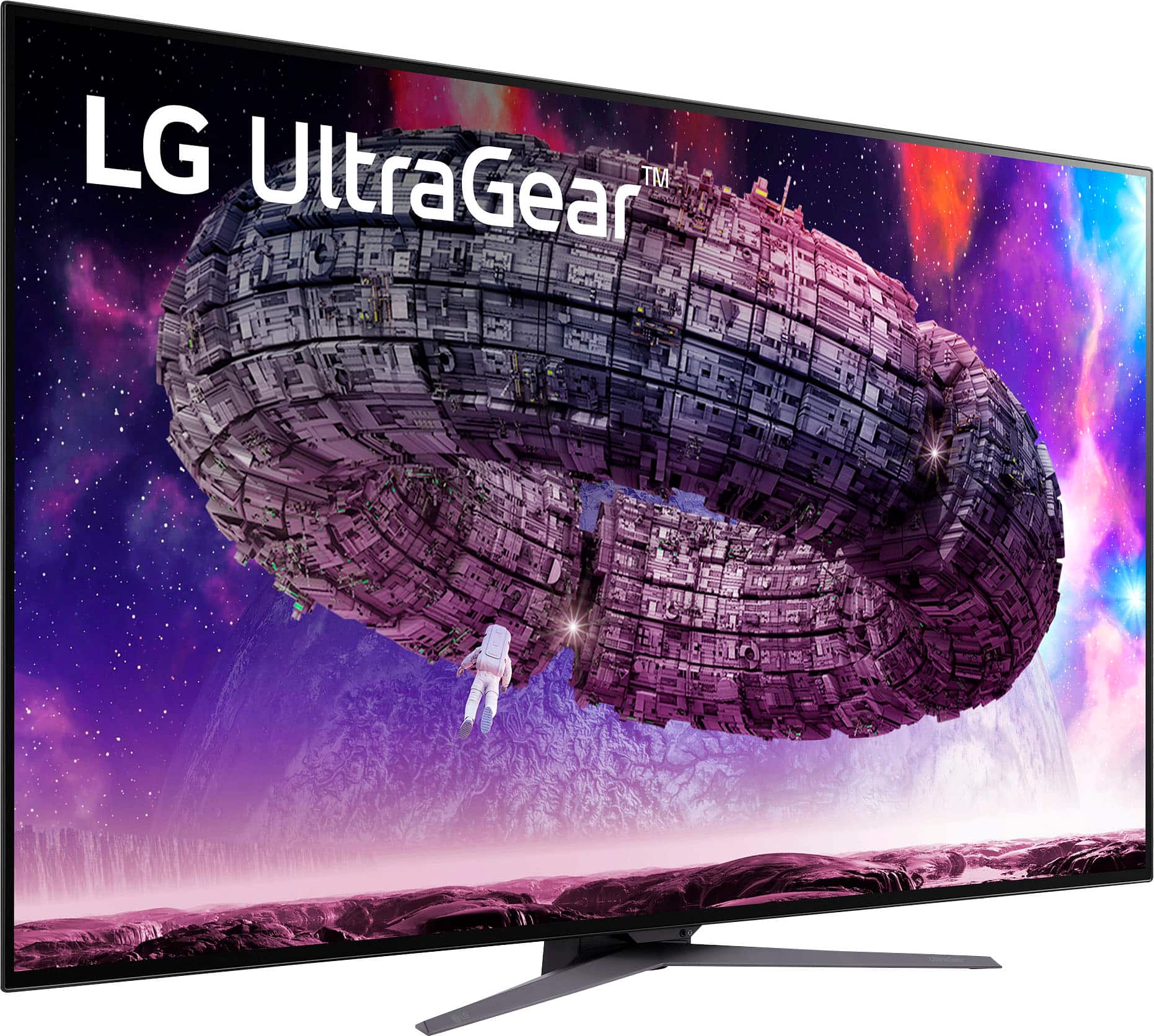
The LG UltraGear 48GQ900-B is where things get complicated. This is a 48-inch OLED panel, which means it's genuinely massive for desktop use. According to PC Gamer, "if you have the desk space, this is the ultimate gaming display," but that's a big if. Most gaming desks aren't designed for a display this large. The glossy OLED screen creates reflections that can be distracting in bright rooms. Build quality is excellent, but the sheer size makes it impractical for typical setups.
Winner: ASUS ROG Swift PG32UQX. The 32-inch size hits the sweet spot between immersion and practicality, and the build quality justifies the premium price.
Performance
The ASUS delivers 4K at 144Hz with G-Sync Ultimate, which means a native hardware module for variable refresh rate with minimal input lag. RTINGS gave it a 9.5/10, praising it as "exceptional for HDR gaming with stunning visuals." The Mini LED backlight with 1152 dimming zones produces a contrast ratio that reviewers describe as the best ever measured for LCD technology. Gaming feels buttery smooth, and the combination of high refresh rate with exceptional image quality makes this monitor a technical achievement.
The Acer Nitro XV272U pushes 1440p at 170Hz, which is faster than the ASUS on paper but at a lower resolution. According to Digital Trends, it's "a budget-friendly monitor with impressive specs," and the 170Hz refresh rate paired with fast IPS response times makes it genuinely competitive for gaming. Motion handling is solid, and the panel keeps up with fast-action titles without noticeable blur. For $200, the gaming performance is shockingly good.
The LG UltraGear 48GQ900-B runs 4K at 120Hz with a 1ms OLED response time. PC Gamer rated it 90/10, and RTINGS noted it "brings OLED TV picture quality to gaming monitors with incredible response times." The near-instant pixel response means motion clarity is exceptional, and G-Sync compatibility works well for high-end PC gaming. However, reviewers found HDMI 2.1 VRR issues that limit console flexibility, which is frustrating at this price point.
Winner: ASUS ROG Swift PG32UQX. The combination of 144Hz, G-Sync Ultimate, and industry-leading contrast makes it the most complete gaming performer.
HDR & Picture Quality
This is where the ASUS absolutely dominates. The HDR1400 certification isn't marketing fluff. With 1400 nits peak brightness and 1152 dimming zones, reviewers consistently describe the HDR performance as the best they've ever seen on a computer monitor. TFTCentral gave it a 9.0/10, noting it "excels in HDR performance and gaming capabilities." The 98% DCI-P3 color gamut with factory calibration makes it suitable for professional color work, not just gaming. There are visible halo effects in high-contrast HDR scenes due to the zone count, but the overall image quality is stunning.
The Acer's HDR400 certification is weak by comparison. Reviewers found the HDR performance disappointing, with insufficient brightness and contrast to deliver a genuine HDR experience. The color accuracy is excellent at 90%+ DCI-P3 coverage, and colors are vibrant right out of the box, but HDR content doesn't pop the way it should. For SDR gaming and productivity, it's solid. For HDR movies or games, it's a letdown.
The LG's OLED panel delivers perfect blacks and infinite contrast, which makes HDR visuals genuinely impressive. According to RTINGS, the picture quality is exceptional, with HDR content that "just pops off the screen." The self-emissive nature of OLED means no blooming or halo effects, and the color accuracy is excellent. However, peak brightness is lower than the ASUS, and there's the ever-present burn-in risk that requires vigilant usage patterns.
Winner: ASUS ROG Swift PG32UQX. The Mini LED backlight delivers HDR performance that LCD technology shouldn't be capable of, and it's the best overall image quality for gaming and content creation.
Value for Money
The Acer Nitro XV272U is the runaway value champion here. At $200, you're getting 1440p at 170Hz with excellent color accuracy and solid gaming performance. According to TechRadar, it's "a great value monitor for gamers," and that's an understatement. This is a monitor that would have cost $400 or $500 just two years ago. If you're on a budget and want smooth gaming without compromises, this is the obvious choice.
The ASUS at $1,497 (down from $2,999 MSRP) is harder to justify. You're paying seven times more than the Acer for better HDR, higher resolution, and superior image quality. Is it worth it? If you're a serious gamer or content creator who values best-in-class performance, yes. If you're a casual gamer who just wants smooth gameplay, absolutely not. The price is still eye-watering even at half off.
The LG at $1,499 is in a weird spot. You're paying ASUS money for OLED picture quality, but you're also accepting burn-in risk, impractical size, and lower pixel density than a 27-inch 4K display. According to reviewers, it's "a luxury splurge that only makes sense if you have the desk space and deep pockets." The value proposition is questionable unless you specifically want OLED and can accommodate the size.
Winner: Acer Nitro XV272U KVbmiiprzx. At $200, this is the best gaming monitor value on the market right now.
Practical Considerations
The ASUS has no HDMI 2.1 support, which is baffling on a monitor that costs more than three flagship laptops. If you're planning to use this with a PlayStation 5 or Xbox Series X, you're limited to 4K at 60Hz over HDMI. For PC gaming, it's exceptional. For console gaming, it's a missed opportunity. The audible cooling fan is another practical concern that reviewers consistently mention.
The Acer is straightforward and practical. It works beautifully for gaming and everyday use, but the HDR performance is weak for movie watching, and the brightness is below average for very sunny rooms. There's no USB hub for device docking, and the basic stand lacks premium features like height adjustment. For $200, these compromises are acceptable.
The LG's 48-inch size is the elephant in the room. Most gaming desks aren't designed for a display this large, and the sitting distance required for comfortable viewing makes it impractical for typical setups. The glossy OLED screen creates reflections in bright rooms, and burn-in risk means you need to be careful with static UI elements. It's a stunning display that demands specific use cases.
Winner: Acer Nitro XV272U KVbmiiprzx. It's the most practical option for typical gaming setups without major compromises.
Who Should Buy What?
Get the ASUS ROG Swift PG32UQX if you're a serious PC gamer or content creator who values best-in-class image quality and you have $1,500 to spend. The HDR performance is genuinely exceptional, the 144Hz refresh rate is smooth, and the picture quality is the best you can get on an LCD panel. You need to accept the audible fan, the massive footprint, and the lack of HDMI 2.1 for console gaming.
Get the Acer Nitro XV272U KVbmiiprzx if you're on a budget and want smooth 1440p gaming without spending a fortune. At $200, this is the best value in gaming monitors right now. The 170Hz refresh rate is fast, colors are vibrant, and it works beautifully for everyday use. Don't expect great HDR performance, and make sure your room isn't too bright.
Get the LG UltraGear 48GQ900-B if you have a large desk, you specifically want OLED picture quality, and you're willing to manage burn-in risk. The perfect blacks and 1ms response time are stunning for immersive gaming, but the 48-inch size is impractical for most setups. This is a niche product for enthusiasts with specific needs.
Final Verdict
The ASUS ROG Swift PG32UQX wins overall, and it's not particularly close. With a 9.0/10 rating from expert reviewers, it delivers the best combination of HDR performance, gaming capability, and image quality. The Mini LED backlight with 1152 dimming zones produces contrast and brightness that LCD technology shouldn't be capable of, and the 144Hz refresh rate with G-Sync Ultimate makes gaming feel exceptional.
According to PCMag, it's "an impressive monitor for gamers seeking top-tier performance," and RTINGS called it "exceptional for HDR gaming with stunning visuals." The $1,497 price is steep, but you're getting genuinely best-in-class performance that justifies the cost if you're serious about gaming or content creation.
The Acer is the better value, and the LG has superior OLED picture quality in a vacuum, but the ASUS is the most complete package. It's the monitor that delivers on every promise without major compromises, assuming you can afford it and you're primarily a PC gamer. If you want the absolute best gaming monitor money can buy right now, this is it.
Where to Buy
More Monitors Comparisons
Affiliate Disclosure: We may earn a commission when you buy through links on our site. This does not influence our editorial recommendations. Learn more about how we make money