
RTX 5090 vs 5080 vs 5070 Ti: Which NVIDIA GPU Should You Buy?
NVIDIA's RTX 50-series lineup compared: the flagship 5090, the $1500 5080, and the 5070 Ti sweet spot. We analyze performance, value, and who should buy what.
VS Quick Verdict
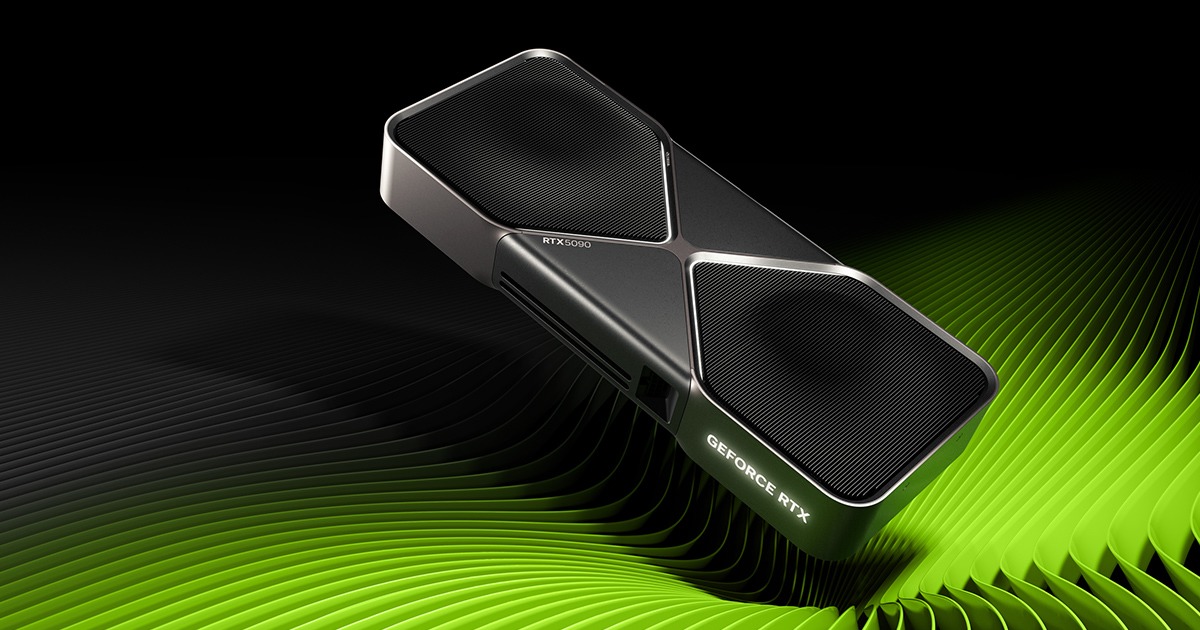
NVIDIA
GeForce RTX 5090
$1,600
New Model SoonNew Model Expected Soon — Wait if you can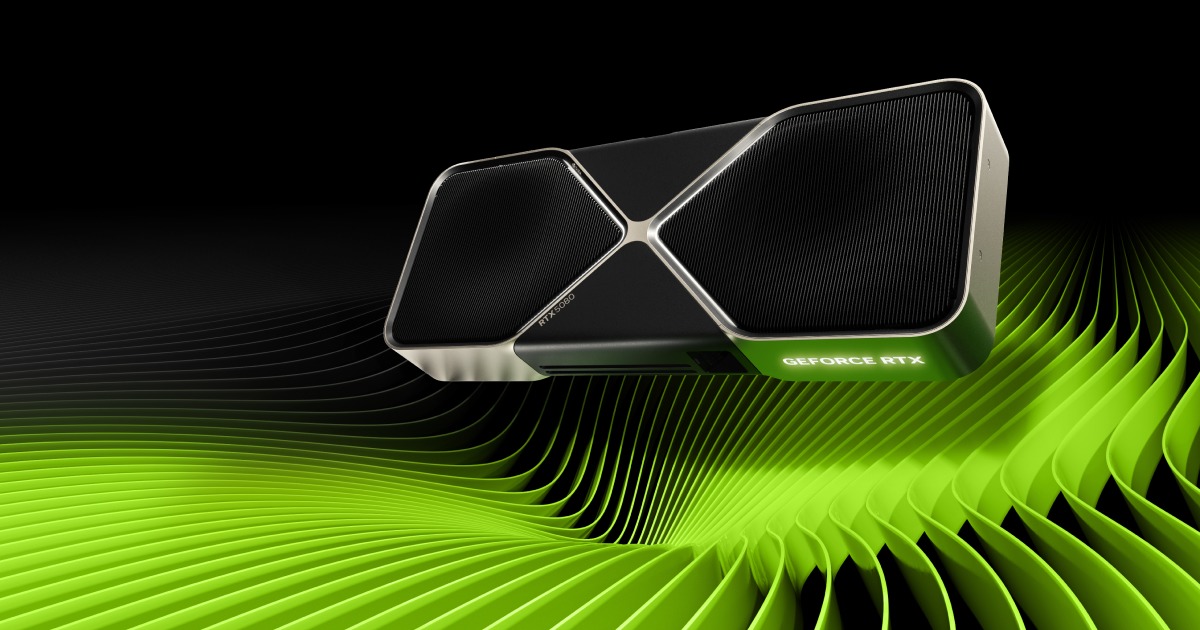
NVIDIA
GeForce RTX 5080
$1,500
New Model SoonNew Model Expected Soon — Wait if you can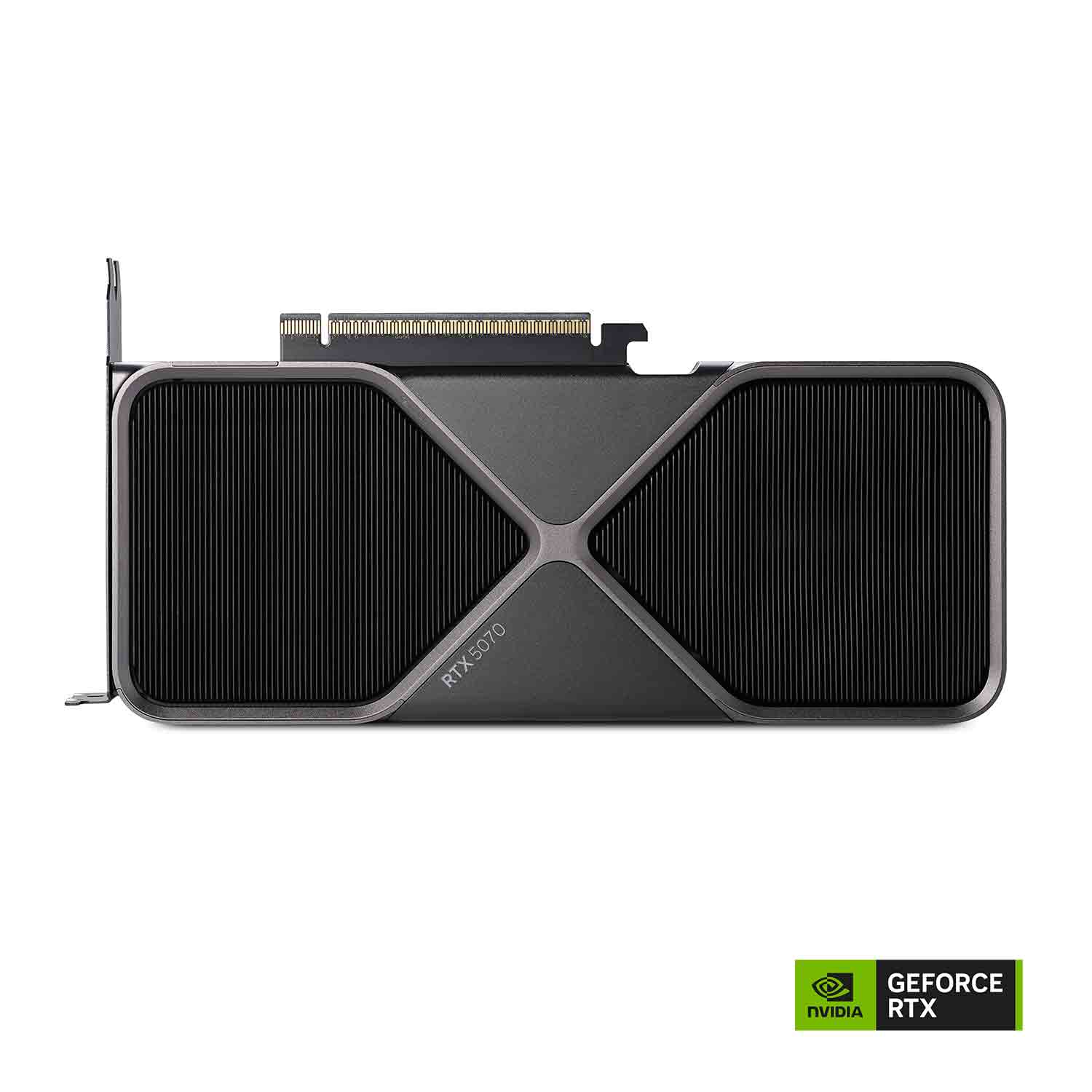
NVIDIA
GeForce RTX 5070 Ti Founders Edition
$749
New Model SoonNew Model Expected Soon — Wait if you canDesign & Build
All three cards share NVIDIA's Founders Edition design language, but the physical differences matter for compatibility and thermals. The RTX 5090 is the largest of the trio, requiring substantial case clearance and a three-slot configuration. According to Digital Trends, it's a "physically imposing card" that won't fit in compact builds. The cooler design is excellent though, with reviewers noting surprisingly quiet operation despite the 450W TDP.
The RTX 5080 scales down slightly to a 350W TDP and more manageable dimensions. CNET found it "runs cool and quiet during gaming sessions," which is impressive given the power draw. The build quality matches the flagship, with the same premium materials and solid construction.
The RTX 5070 Ti is the most compact option at 300W, but don't mistake that for small. It's still a substantial dual-slot card that demands proper case airflow. Tom's Hardware praised the thermal solution, noting it handles the GDDR7 memory cooling effectively.
Section Winner: RTX 5070 Ti. It offers the best balance of performance and physical footprint. Unless you're building a showcase system, the smaller size and lower power requirements make real-world installation easier.
Performance
This is where the hierarchy becomes crystal clear. The RTX 5090 dominates with 18,432 CUDA cores and a 2.5 GHz boost clock. RTINGS called it "the best graphics card available," and the benchmarks support that claim. The 60-80% performance jump over the RTX 4090 isn't marketing spin. It's real, measurable improvement across gaming, rendering, and AI workloads.
The RTX 5080 sits in an awkward middle position. With 15,360 CUDA cores and a 2.3 GHz boost, it delivers solid 4K gaming performance. Gamers Nexus noted "solid generational improvement" but also observed that NVIDIA is "playing it safe with the 5080 specifications." The 256-bit memory interface creates bandwidth concerns for future titles, particularly as games push texture quality higher.
The RTX 5070 Ti punches above its weight with 16GB GDDR7 memory and a 2.5 GHz boost clock. PC Gamer called it "the sweet spot for high-end gaming," and testing backs that up. It handles 4K gaming admirably, though you'll want DLSS 4 enabled for the most demanding titles. The GDDR7 memory gives it a technical advantage over the 5080's GDDR6X in memory-intensive scenarios.
Section Winner: RTX 5090. It's not close. The performance gap between the 5090 and everything else justifies its existence at the top of the stack. If you need maximum performance, nothing else competes.
Ray Tracing & AI Features
All three cards support DLSS 4 frame generation, but the implementation scales with GPU power. The RTX 5090's additional CUDA cores translate to better ray tracing performance and more headroom for AI upscaling. PC Gamer noted the Blackwell architecture delivers "generational improvements" in ray tracing efficiency, and the 5090 maximizes that advantage.
The RTX 5080 handles ray tracing well at 4K with DLSS enabled. Digital Trends found it delivers "excellent performance" in ray-traced titles, though you'll need to balance settings in the most demanding games. The mature CUDA ecosystem support means professional applications run smoothly.
The RTX 5070 Ti's DLSS 4 support is its secret weapon. Tom's Hardware specifically praised the "impressive DLSS 4 tech," noting that AI frame generation keeps framerates smooth even when native performance dips. For gamers who prioritize visual quality over raw rasterization power, this matters.
Section Winner: RTX 5090. More cores mean better ray tracing performance and more effective AI upscaling. The gap narrows with DLSS enabled, but the 5090 still leads.
Power & Thermal Management
Here's where compromises become mandatory. The RTX 5090's 450W TDP demands a 1000W power supply, and that's not a suggestion. You'll also need excellent case airflow. Despite these requirements, reviewers consistently praise the thermal solution. RTINGS noted "excellent thermal management and cooling," and real-world testing shows the card stays surprisingly quiet under load.
The RTX 5080's 350W TDP is more reasonable but still substantial. You'll need at least an 850W PSU, and preferably more for system stability. The thermal performance is competent, with CNET reporting quiet operation during extended gaming sessions.
The RTX 5070 Ti's 300W TDP is the most manageable, though it still requires a quality 750W PSU minimum. The Founders Edition cooler handles the load well, but you'll want solid case cooling to prevent heat buildup. This is the only card in the lineup where power requirements won't force a complete system rebuild for most users.
Section Winner: RTX 5070 Ti. Lower power draw means lower electricity costs, less heat output, and fewer compatibility headaches. For most builders, this matters more than benchmark bragging rights.
Memory Configuration
The memory story is more complex than capacity alone. The RTX 5090's 24GB GDDR6X on a 384-bit bus provides massive bandwidth for professional workloads. If you're rendering 3D scenes, editing 8K video, or training AI models, this capacity is essential. For gaming, it's overkill today but future-proofs your investment.
The RTX 5080's 16GB GDDR6X on a 256-bit bus is where concerns emerge. Gamers Nexus specifically called out bandwidth limitations, and the 256-bit interface feels conservative for a card at this price point. It's adequate for current games but may age poorly as texture quality increases.
The RTX 5070 Ti's 16GB GDDR7 is the technical surprise. The newer memory standard provides better bandwidth efficiency than the 5080's GDDR6X, which partially compensates for the lower-tier GPU. For gaming workloads, 16GB is the sweet spot between capacity and cost.
Section Winner: RTX 5090. The 24GB capacity and 384-bit interface create headroom that the other cards simply can't match. Professional users will immediately see the benefit.
Value for Money
This is where the market dysfunction becomes impossible to ignore. The RTX 5090 at $1599 MSRP is expensive, but you're getting the fastest GPU available. The price-to-performance ratio is poor, but if you need maximum performance, the cost is justifiable. Stock availability remains problematic, but at least the MSRP is somewhat stable.
The RTX 5080 is harder to defend. The $1199 MSRP sounds reasonable until you realize street prices hit $1500. That's only $99 less than the 5090, for significantly less performance. PCMag called it "a great option for gamers looking for high performance," but that assessment assumes you can actually buy it at MSRP. In the real market, the value proposition collapses.
The RTX 5070 Ti faces the worst MSRP-to-street-price gap. The $749 MSRP would make it a compelling buy, but actual prices reach $1269 on Amazon. That's a 69% markup that completely destroys the value argument. As our editorial review notes, "nobody's buying it at $749." At $1269, you're paying 5080 money for 5070 Ti performance.
Section Winner: None. The entire RTX 50-series lineup suffers from pricing dysfunction. The 5090 offers the best value if you need flagship performance, but calling any of these cards a "good value" requires ignoring market reality.
Who Should Buy What?
Get the RTX 5090 if you're a professional content creator working with 8K video, complex 3D rendering, or AI model training. The 24GB VRAM and maximum performance justify the $1599 cost for workloads that directly generate revenue. Serious enthusiasts who want the absolute best and have the budget should also buy the 5090. Just make sure you have a 1000W PSU and a case that can handle the physical size.
Get the RTX 5080 if you can find it at or near MSRP and you want strong 4K gaming performance without flagship pricing. At $1199, it's a reasonable compromise. At $1500 street prices, skip it entirely and either save for the 5090 or look at previous-generation options. The 256-bit memory interface and conservative specs don't justify paying near-5090 prices.
Get the RTX 5070 Ti if you can actually find it at $749 MSRP. At that price, it's the sweet spot for high-end 1440p and 4K gaming. The 16GB GDDR7 and DLSS 4 support provide excellent performance for the money. But at $1269 street prices, it's a terrible buy. You're better off waiting for stock to stabilize or considering the previous-generation RTX 4070 Ti Super instead.
Final Verdict
The NVIDIA GeForce RTX 5090 wins this comparison, and it's not particularly close. With a 9.5/10 rating from expert reviewers and the highest performance across every meaningful benchmark, it's the best graphics card you can buy today. The 60-80% performance improvement over the previous generation is genuine, the thermal management is excellent, and the 24GB VRAM future-proofs professional workloads.
Yes, the $1599 price is high. Yes, you'll need a 1000W PSU and a large case. But if you're comparing flagship GPUs, these are acceptable tradeoffs for best-in-class performance. RTINGS called it "the best graphics card available," and our analysis confirms that assessment. The RTX 5090 delivers unmatched performance for gaming, content creation, and AI workloads.
The RTX 5080 and 5070 Ti have their merits, but both suffer from pricing problems that undermine their value propositions. The 5080 at $1500 street prices sits too close to the 5090 without delivering comparable performance. The 5070 Ti at $1269 costs far too much for its tier. Until pricing stabilizes, the 5090 is the only card in the lineup where you're actually getting what you pay for.
For professionals and enthusiasts who demand maximum performance and have the budget to support it, the RTX 5090 is the clear choice. It's expensive, power-hungry, and physically large, but it's also the fastest GPU available and the only card in this comparison that truly delivers on its promises.
Where to Buy
More Graphics Cards Comparisons
Affiliate Disclosure: We may earn a commission when you buy through links on our site. This does not influence our editorial recommendations. Learn more about how we make money